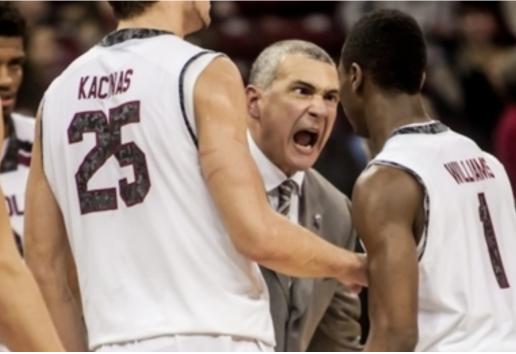
When we think of coaches, we often picture someone who is calm, composed, and supportive. However, there are times when coaches raise their voices and yell at their players. While this behavior may seem aggressive and negative, it’s important to understand that it’s not always a bad thing.
First and foremost, it’s important to recognize that yelling is not the same as abusive behavior. A coach who yells is not necessarily being abusive or intentionally harmful.
In fact, yelling can be an effective tool for getting a player’s attention and communicating urgency. For example, if a player is about to make a costly mistake, a coach may need to raise their voice to ensure the player hears and understands the importance of the situation.
Yelling can also be a way for a coach to motivate their players. Sometimes, athletes need a kick in the pants to get them to perform at their best. If a coach is yelling at their players in a positive and supportive way, it can help to fire them up and push them to reach their full potential. Think of it like a pep talk on steroids.
Additionally, yelling can be a way for a coach to show their passion and intensity. Coaches who are deeply invested in their sport and their team may feel the need to express that passion in a loud and boisterous way. While it can be overwhelming for some players, others may find it inspiring and energizing.
Of course, it’s important to note that yelling should never be the go-to method of coaching.
Effective coaches should strive to communicate clearly and respectfully, and should always prioritize the safety and well-being of their players. However, there are times when yelling can be an appropriate and effective tool for a coach to use.
In conclusion, while we may initially view yelling as a negative behavior from coaches, it’s important to recognize that it’s not always a bad thing.
In the right circumstances, yelling can be an effective tool for getting a player’s attention, motivating them, and showing passion and intensity.
As with any coaching technique, it’s important to use yelling judiciously and with the best interests of the players in mind.
Comments are closed